
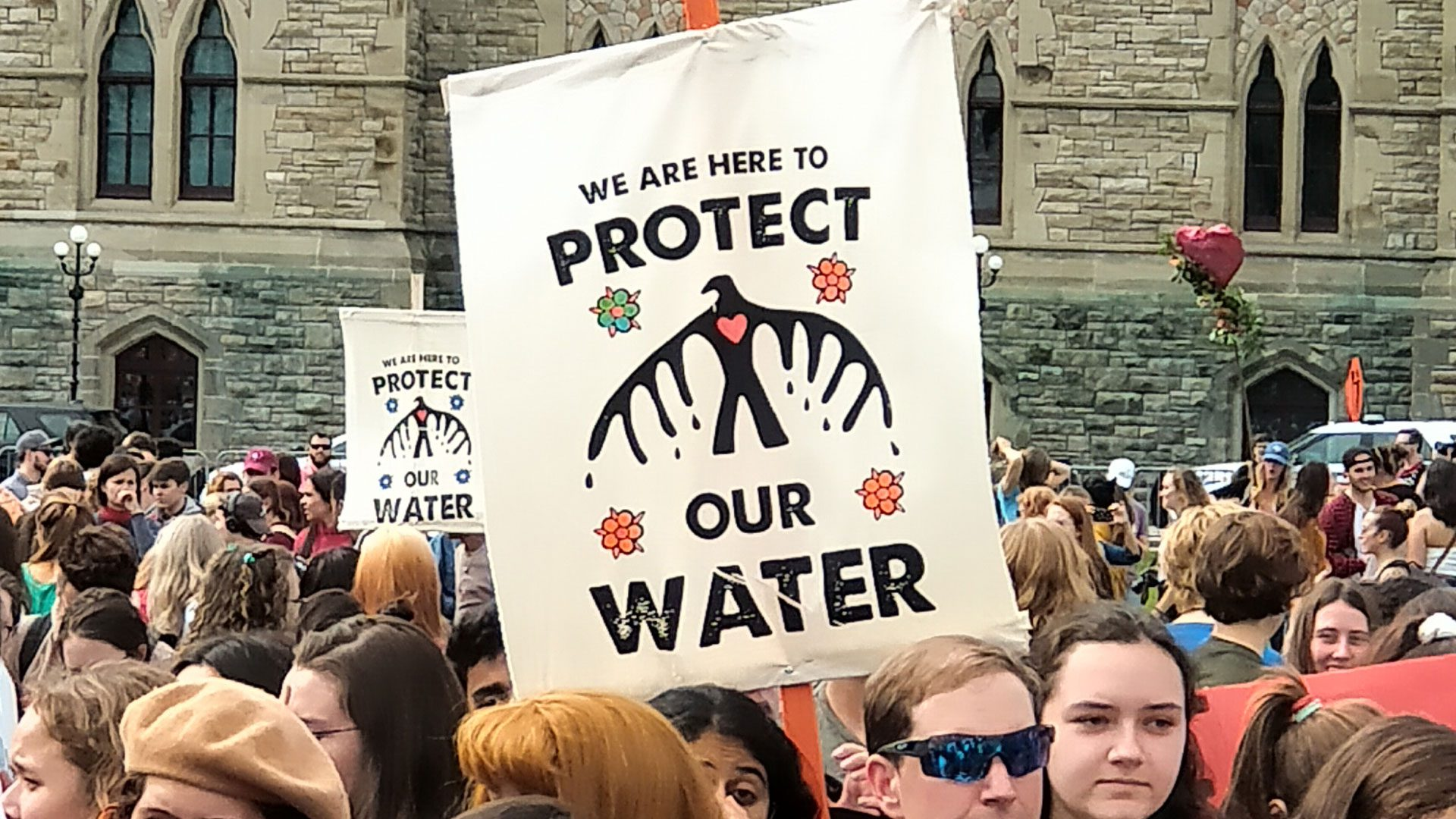
In Canada, First Nations have lacked legally enforceable protections for safe drinking water. Earlier this fall, Indigenous Services Canada placed 39 active long-term drinking water advisories on First Nation public water systems, 28 of them in Ontario. These long-term advisories are issued when a community’s water system has been deemed potentially unsafe for more than a year. These advisories affect approximately 5,590 homes and 336 community buildings across Canada, illustrating the persistence of barriers many First Nation communities face in accessing safe and reliable drinking water. Although the federal government has worked with First Nations to improve access to clean water, federal legislation guaranteeing safe drinking water and funding requirements has yet to become law.
In June 2026, the federal government introduced Bill C-37, the First Nations Clean Water Act, its third attempt to establish a legal framework for drinking water protections. Its predecessor, Bill C-61, was introduced in December 2023 and received more than 40 amendments during committee review. However, Parliament’s January 2025 prorogation ended the bill’s progress. C-61 also faced opposition from provincial governments in Ontario and Alberta over concerns that water protections would constrain economic growth and project development. Despite its failure to pass, Bill C-61 laid the foundation for the Indigenous-led, federally funded First Nations Water Commission, which monitors drinking water and wastewater systems and annually reports to Parliament with progress and recommendations.
Like Bill C-61, Bill C-37 aims to establish minimum national drinking water standards, support First Nations-led institutions, protect water sources, and recognize First Nations’ jurisdiction over drinking water on their lands. It follows a federal commitment of $4.6 billion toward improving water infrastructure and the availability of clean drinking water. If passed, the bill would require the federal government to make efforts to ensure safe drinking water in First Nations communities and address the need for adequate funding to build, operate, and maintain water systems.
While Bill C-37 retains many of C-61’s core provisions, several Indigenous organizations have raised concerns about the bill’s consultation process, recognition of inherent rights, and funding commitments. The Assembly of First Nations (AFN) has criticized the lack of consultation compared with the development of C-61, the absence of explicit recognition of water as a human right, and the unclear meaning of “co-development.” It has also questioned delays in implementing protections, arguing that these gaps could weaken First Nations’ influence over the legislation and leave access to safe drinking water dependent on future government action.
The Union of BC Indian Chiefs (UBCIC) also opposes C-37 in its current form, arguing that it fails to uphold First Nations’ inherent title and jurisdiction over their lands and waters. In particular, the bill’s approach to source-water protection does not adequately recognize First Nations’ authority over water sources beyond reserve boundaries, potentially limiting their ability to protect the waters that supply their communities. UBCIC has also called for guaranteed long-term funding that covers system operation and maintenance, not just construction. Without binding funding obligations, the federal government could face fewer legal constraints when allocating insufficient resources.
The Chiefs of Ontario have also questioned the consultation process behind Bill C-37. Although Federal Minister of Indigenous Services Mandy Gull-Masty described C-37 as developed in collaboration with First Nation groups, Anishinabek Nation Grand Council Chief Linda Debassige said during a press conference that it was introduced “without broad or meaningful input from First Nations." This is particularly significant in Ontario, where the majority of the long-term drinking water advisories reported earlier this fall were located. The disagreement highlights a broader tension between the federal government’s stated commitment to collaboration and First Nations organizations’ expectations for meaningful participation in decisions affecting their rights and access to safe drinking water.
These criticisms are closely tied to the federal government’s description of C-37 as a step toward the "progressive realization” of the human right to safe drinking water. In this context, progressive realization implies that the government is committing to taking gradual steps toward fulfilling this right over time, rather than guaranteeing its immediate achievement. This gradual approach could leave uncertainty about when communities can expect reliable access to safe water and how the government will be held accountable for delays. For First Nations communities that have faced longstanding water insecurity, this could mean continued uncertainty over when reliable access to safe drinking water will be achieved. While the government presents the bill as a "practical pathway" toward that goal, some First Nations leaders argue that this language weakens the stronger commitments outlined in C-61. Grand Council Chief Linda Debassige, who helped draft C-61, has emphasized that First Nations want the federal government to recognize their right to clean water rather than delay it through “progressive realization”.
The debate surrounding Bill C-37 highlights the challenge of improving access to safe drinking water while respecting First Nations’ inherent rights and jurisdiction. Although the legislation establishes a foundation for water protections, concerns remain about its provisions for funding, meaningful consultation, and the progressive realization of the right to safe drinking water. These concerns raise questions about whether the legislation will translate into substantive improvements for Indigenous communities. If the federal government does not adequately address these objections, the legislation may fall short of meeting communities’ needs and ensuring their control over decisions affecting their water. As the bill proceeds through Parliament, its effectiveness will depend not only on the safeguards it establishes, but also on whether those protections reflect First Nations’ priorities and translate into lasting improvements in access to safe drinking water.
Edited by Alexander Lesiuk