
Picket Line Policy: Bill C-58 to Redefine Labour Legislation in 2025
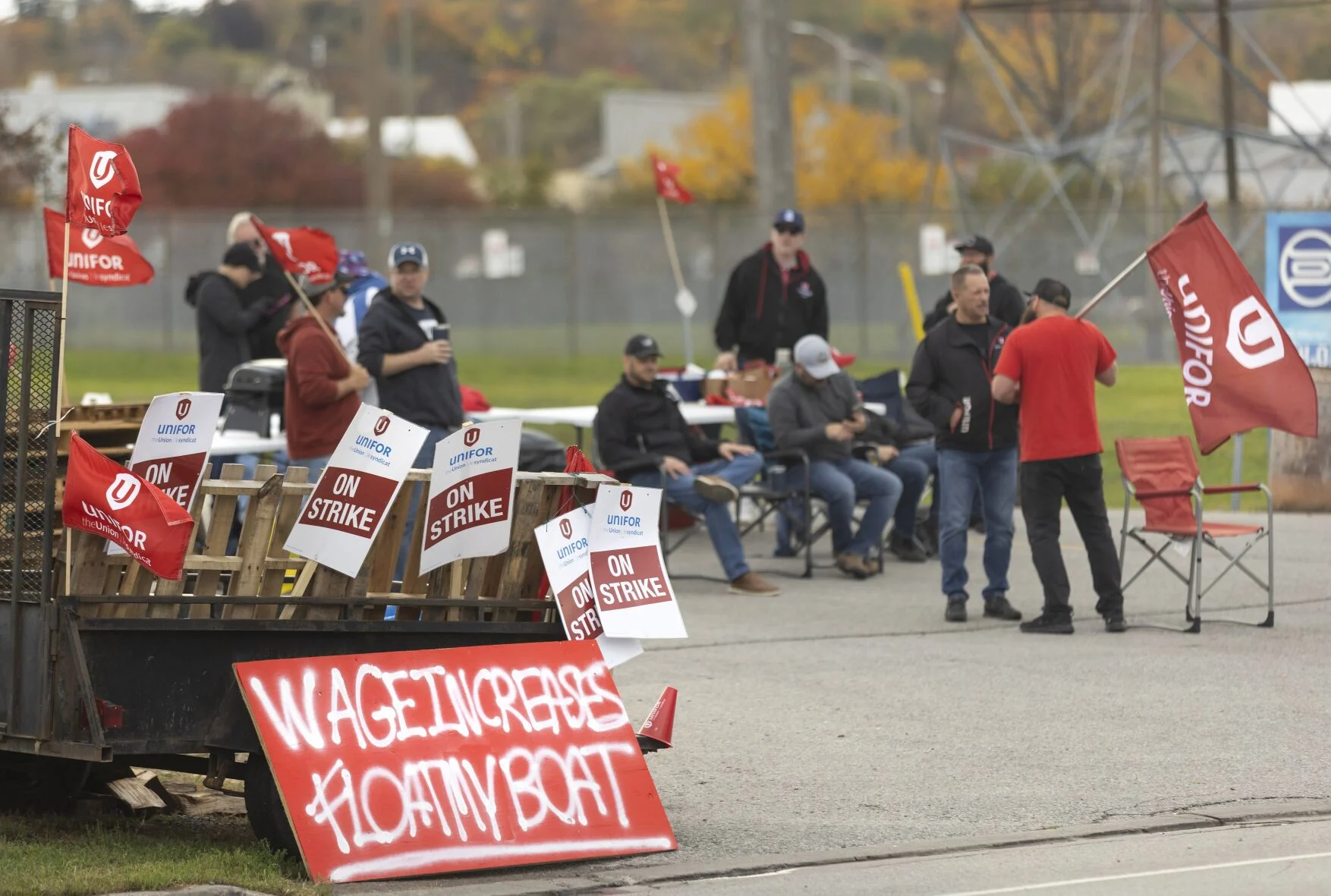
Entering 2025, the Canadian policy landscape is expecting considerable shifts, not the least of which is labour legislation. Bill C-58, An Act to amend the Canada Labour Code and the Industrial Relations Board Regulations, will come into effect on June 25, 2025, and the “anti-scab” legislation aims to provide more protections for unionized workers.
Designated in the common vernacular as strikebreakers or “scabs,” replacement workers are extremely polarizing figures within labour legislation. Whether it be a newly hired or a current employee, union or not, replacement workers “cross” picket lines in the event of a strike. For employers, replacement workers lessen the sting of the lost revenue, simultaneously weakening the bargaining power of the striking employees and representing a loss of solidarity. When the cost of lost labour at the center of a labour dispute dissipates, the essence of the dispute itself is completely altered, and Bill C-58, if successful, will be able to avoid this.
A product of Canada’s 44th Parliament, Bill C-58 was sponsored by Liberal Member of Parliament (MP) and former Minister of Labour and Seniors, Seamus O’Reagan. However, this success cannot be solely attributed to the Liberal Party. The Bill comes as a result of the Supply and Confidence Agreement between the Liberal Party and the New Democratic Party, reflecting the central demands that the NDP had when agreeing to support the minority government. Bill C-58 received unanimous support, uniting MPs across party lines and successfully moving through the legislative process after being considered in both the Senate and the House of Commons. In a time where Parliament has been increasingly polarized, culminating in the resignation of Prime Minister Justin Trudeau, Bill C-58 stands as a testament to how Canada’s political parties, despite their differences, share a commitment to promoting worker’s rights.
Labour legislation in Canada has historically been linked to section 2(d) of the Canadian Charter of Rights and Freedoms. This section enshrines freedom of association and a right to meaningful collective bargaining on behalf of employee associations or unions, and while the Charter theoretically entrenches these freedoms, scabbing continues to undermine workers’ rights related to labour associations. Thus, presenting a need for further protection of workers’ rights in Canada. This is where Bill C-58 comes into play. As of June 20, 2024, when the Bill received royal assent, Ottawa took on this need for protection, committing itself to protecting worker rights as outlined in the Charter.
This federal legislation’s successful assent is undoubtedly influenced by the bottom-up pressures from unions across Canada, who have been calling for the federal government to enact anti-scab legislation. This follows Quebec and British Columbia, two Canadian provinces with existing “anti-scab” legislation in place, though it will apply to all federal employers in this case. Federally legislated employers, if guilty of an offence related to the prohibited use of labour during a strike or lockout, can be liable to fines, a maximum of $100,000, for each day an offence occurs. Here, it should be noted that there are exceptions to the prohibitions, notably in cases which present or could reasonably be expected to present an imminent or serious threat to health, safety, or property. These loosely defined exceptions could prove to be a loophole. However, many labour organizations across Canada are still celebrating this as a victory.
Unifor, Canada’s largest private-sector union, is chief among these, representing over 320,000 workers across Canada. Releasing a statement with the passing of Bill C-58, Unifor President Lana Payne celebrated the work of Unifor members across Canada that contributed to the legislation while also acknowledging how important it is to secure similar legislation within provinces for workers whose roles are provincially legislated. Similar sentiments were echoed in a statement by the President of Teamsters Canada, Francois Laporte, who noted that Bill C-58 was a significant step in creating a “lasting and positive impact on the future of labour relations in our country.”
Similar to the acknowledgments by Payne, we must consider how Bill C-58 fits into the current policy landscape. While it successfully protects those working under federally regulated employers, including airlines, broadcasting communications, port services, railroads, and postal services, it does not protect workers’ rights in provincially regulated corporations. Notwithstanding Quebec and British Columbia, most provincially regulated workers in Canada continue to face risks related to replacement workers, thus undermining their bargaining power.
At a time when labour strikes continue to make headlines across the country, including the recent Canada Post strike, it is important to engage in meaningful discussions related to labour relations in Canada. Bill C-58, once enacted in June, will be central to these conversations as the dominating piece of policy in Canadian labour relations and, along with other forthcoming pieces of policy created in recent years, is an important result of Canada’s 44th Session of Parliament.